
The BOZ 2025 Currency Directives: Key Provisions and Macro Implications
In a bold move to curb dollarisation and bolster monetary sovereignty, the Bank of Zambia (BOZ) issued the Currency Directives of 2025, effective December 26, 2025.
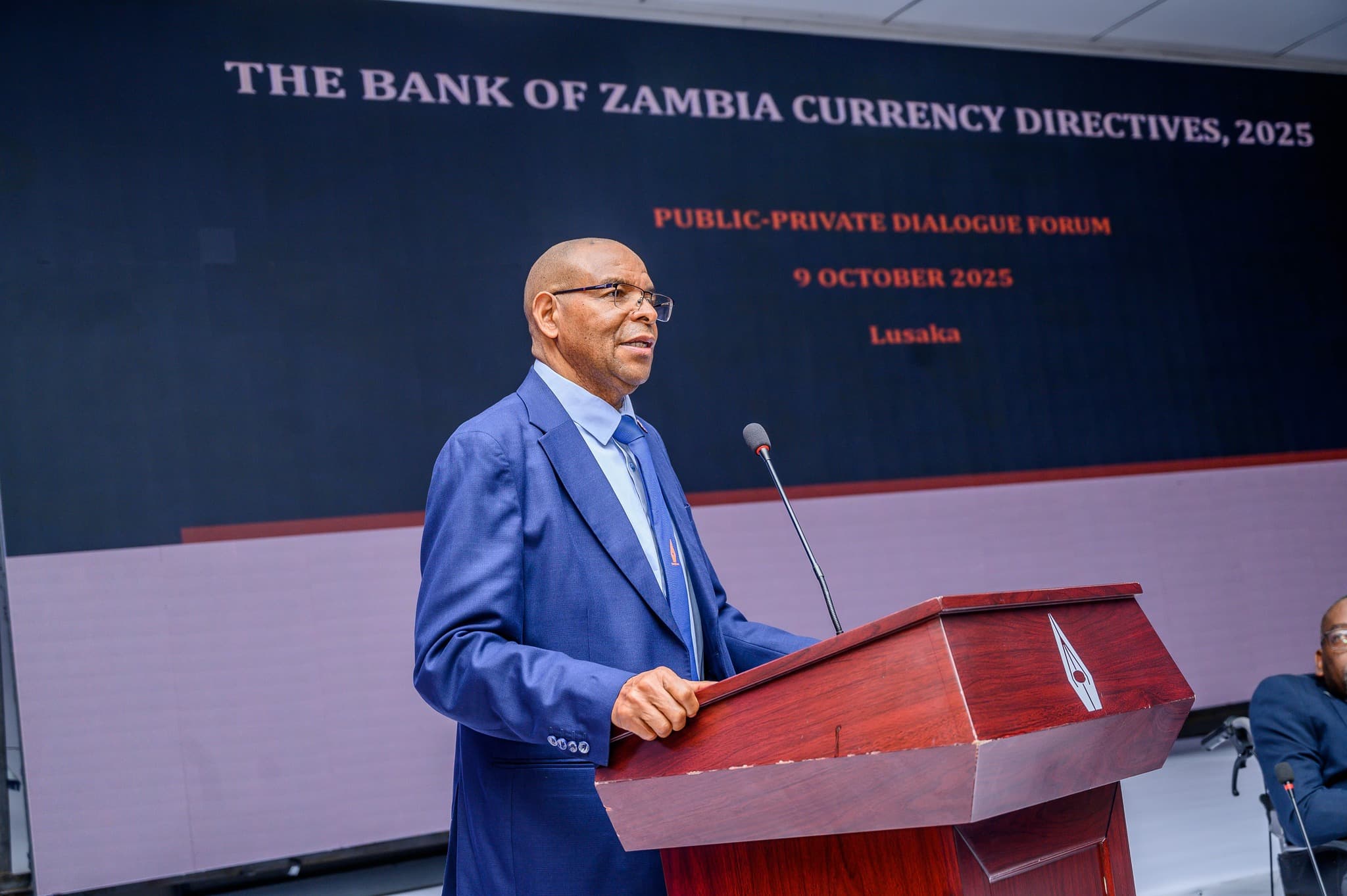
In a bold move to curb dollarisation and bolster monetary sovereignty, the Bank of Zambia (BOZ) issued the Currency Directives of 2025, effective December 26, 2025. These directives enforce the long-standing legal requirement under Section 18 of the Bank of Zambia Act that all domestic transactions must be settled in Zambian Kwacha (ZMW), the country's sole legal tender. While not entirely new, similar efforts were attempted in 2012 via Statutory Instruments 33 and 55; the 2025 directives come with clearer guidelines, limited exemptions, and a focus on simplifying compliance.
Key Specifics of the Currency Directives 2025
The directives aim to promote the exclusive use of the Kwacha for payments within Zambia, addressing the informal "dollarisation" that has eroded the central bank's control over inflation and exchange rates. According to the official explanatory notes, the rules reinforce the status of the Kwacha and Ngwee as the only legal tender for domestic transactions, defined as any exchange of goods, services, or value between residents of Zambia occurring within the country's borders.
Core Requirements:
Settlement in Kwacha Only: All domestic payments must be made in ZMW. This includes salaries, rents, school fees, utilities, and purchases of local goods and services. Foreign currency (e.g., USD) cannot be used for direct settlement, even if held in local accounts.
Invoicing Flexibility: Businesses can still quote prices, advertise, or issue invoices in foreign currencies like USD, particularly in sectors such as real estate, vehicle sales, or luxury goods. However, the actual payment must be converted to the Kwacha equivalent at an agreed-upon market exchange rate. If no rate is agreed upon, the BOZ mid-rate applies on the settlement date.
Prohibitions: Direct use of foreign currency for local deals is banned, with penalties including fines, imprisonment, or both for non-compliance. This extends to government transactions, which must be fully in Kwacha without even quoting in foreign currencies.
Exemptions and Scope:
The directives include a schedule of limited exemptions to avoid disrupting key sectors:
Taxes remitted by the mining sector to the Zambia Revenue Authority through foreign currency sales to the BOZ.
Payments by non-resident tourists to registered tourism enterprises (e.g., hotels, safaris).
Certain mining-related transactions, such as tolling services.
International transactions, including imports, exports, and dealings with non-residents.
Financial products with inherent foreign currency components, like foreign-denominated loans or electricity imports.
A decision tree provided by the BOZ helps determine if a transaction qualifies as "domestic" and thus requires Kwacha settlement. Notably, holding or carrying foreign currency remains legal, and the rules do not apply to cross-border activities.
The rationale, as stated by BOZ Governor Denny H. Kalyalya, is to foster an efficient domestic foreign exchange market, enhance monetary policy effectiveness, safeguard against external shocks, and promote financial stability. These measures follow stakeholder consultations initiated in 2024 and are seen as a simplified reintroduction of existing laws to build investor confidence while allowing short-term adjustments.
Recent X discussions highlight practical implementations, such as banks like First Alliance issuing FAQs and notices to customers, emphasising that international transactions are unaffected. Additionally, sources indicate that export receipts must now be deposited in local banks before externalisation, potentially improving Zambia's balance of payments by ensuring revenues temporarily bolster local liquidity.
Macroeconomic Implications
The directives arrive amid Zambia's ongoing economic recovery from multiple shocks, including the 2024 drought, electricity shortages, and global commodity volatility. By mandating its use, the BOZ seeks to reduce excessive dollarisation, which has weakened the local currency and limited its policy tools. This could increase demand for the Kwacha, easing exchange rate pressures and improving reserve management.
However, short-term challenges are evident. Critics, including in BOZ's own consultations, argue the timing is suboptimal given high inflation (peaking at 16.8% in February 2025), low liquidity, and elevated interest rates (policy rate at 14.5% as of mid-2025). Foreign currency lending may decline, as banks align loans with deposit currencies, potentially raising borrowing costs for businesses reliant on USD-denominated contracts. Sectors like real estate and private services, often priced in dollars, face adjustment hurdles, with possible slower deals or underground transactions if enforcement falters.
On the positive side, the policy complements tighter monetary measures and debt restructuring under the IMF's Extended Credit Facility (ECF). By the end of 2025, reserves reached $5.2 billion (5.2 months of import cover), supported by buoyant copper prices and mining exports. The Kwacha appreciated 21% against the USD in 2025, closing strongly among global currencies due to these factors and the directives' early effects. This has helped decelerate inflation to 11.9% by Q3 2025, with food prices easing post-bumper maize harvest.
Broader implications include enhanced financial intermediation and reduced sovereign risk, as noted in BOZ's Financial Stability Report. Yet, persistent vulnerabilities like mining dependence and climate risks could amplify any negative effects if global copper demand softens.
While the Currency Directives 2025 introduce transitional frictions, they align with Zambia's push for macroeconomic stability and Kwacha dominance. Success hinges on effective enforcement and complementary policies, potentially paving the way for sustained growth and reduced vulnerability to external shocks. As Zambia navigates 2026, these measures could mark a pivotal step toward economic resilience.
References
Bank of Zambia. (2025). The Bank of Zambia Currency Directives, 2025.
Bank of Zambia. (2025). Explanatory notes on the Bank of Zambia Currency Directives 2025.
Bank of Zambia. (2025). Public notice: The Bank of Zambia Currency Directives, 2025.
International Monetary Fund. (2025). Regional economic outlook: Sub-Saharan Africa.
World Bank. (2025). Zambia economic update/Monthly economic brief.
Zambia Statistics Agency. (2025). Annual inflation rate for October 2025.
https://tradingeconomics.com/zambia/foreign-exchange-reserves
Need a clearer compliance path?
Turn this insight into a practical next step for your business.
Ridgewood can help translate accounting, tax, payroll, and regulatory questions into an actionable plan.